Pibcremental Prestige Guide
Reset smarter, keep permanent buffs, and climb toward the sky each run.
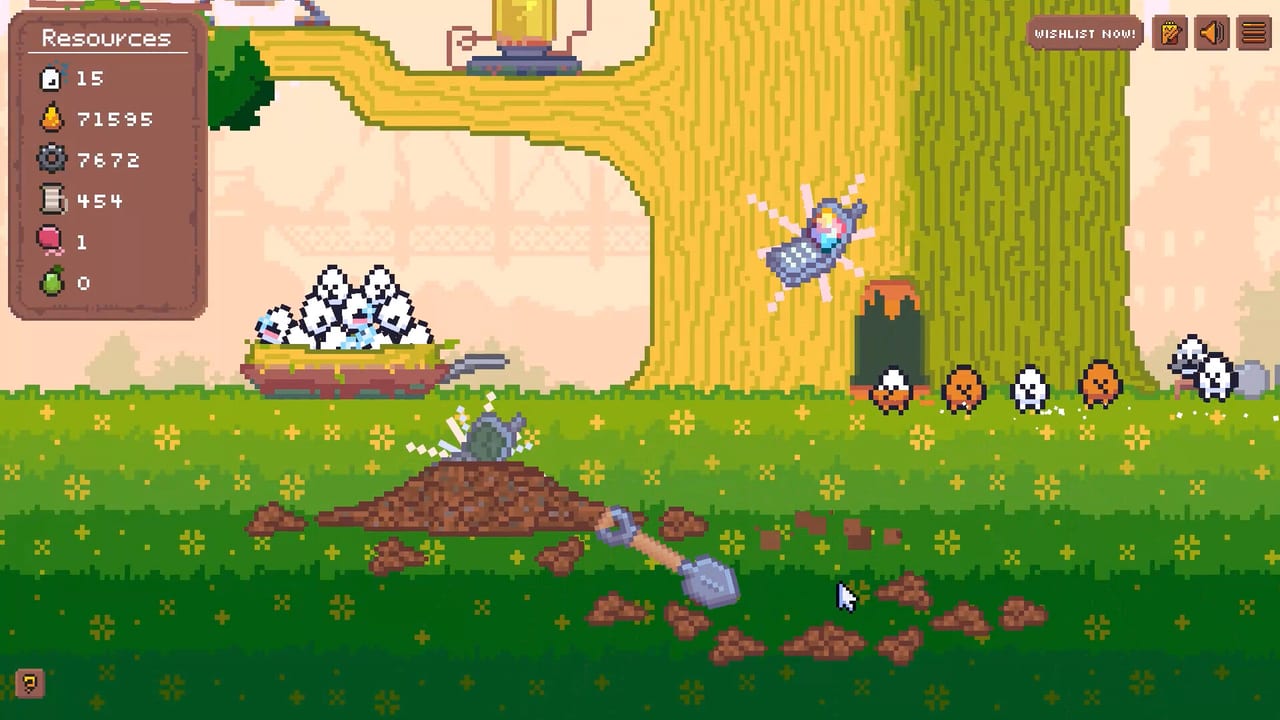
Prestige is the long game in Pibcremental. When a run’s upgrades turn expensive and tree grows stop feeling transformative, you cash progress into prestige points, restart with permanent buffs, and climb again faster. This guide explains when to reset, how to spend points, and how prestige ties into events, relics, and building multipliers so each new civilisation of Pibs overshoots the last.
New players should finish the Getting Started guide before stressing about resets. If your bottleneck is still raw sap or worker routing, fix that with Resources & Buildings first—prestige multiplies a healthy loop; it does not replace one.
What prestige does
Prestiging restarts the current run while granting prestige points you invest into lasting power. Permanent buffs persist across resets: stronger starting production, better building multipliers, smoother idle income, and nodes on the adventure prestige tree. The fantasy goal stated by the game is clear—optimise each run until you reach the sky. Prestige is how the canopy keeps rising after a single tree hits a soft wall.
Think of a run as a sprint that fills a meta currency bar. The sprint ends when your next meaningful upgrade or grow costs more time than a buffed restart would take to surpass. Points spent on the prestige tree then shorten every future sprint.
When to prestige
Good prestige timing signals:
- Upgrade prices outpace your sap, scrap, and silk income even after reassignment.
- The latest tree grow added buildings you cannot staff effectively.
- Event rewards are mostly stockpile padding instead of new breakpoints.
- You already claimed recent relics and slotted them onto buildings you care about (see Events & Relics).
- You know which prestige node or permanent buff you will buy next.
Bad timing looks like prestiging mid-event, right before a sap cycler explosion, or before spending a resource pile that could finish one more grow. If a wishing star event or similar high-value window is active, finish it, bank the reward, then reset so the points reflect the spike.
Adventure prestige tree and permanent buffs
Spend prestige points into the adventure prestige tree and other permanent buff choices offered on reset. Early nodes that multiply core gathering (especially sap) or accelerate hatching usually beat niche late-tree luxuries. After each reset, open the tree, buy the planned node immediately, then rebuild your assignment board with the new baseline in mind.
Permanent buffs change opening priorities. A buff that strengthens click sap means your first minutes should hammer click upgrades again. A buff that boosts a building type means you rush that building’s unlock via tree growth and park extra Pibs there. Re-read tooltips after every prestige—numbers you memorised last run may already be outdated.
Multiplier bars on buildings
Buildings can show multiplier bars that track boosted production. Prestige-related bonuses, relics, and upgrades all feed these bars. After a reset, your job is to refill and push those bars again under stronger permanent rules. Practically:
- Unlock the buildings your new prestige nodes favour.
- Assign Pibs heavily to those structures.
- Layer relics that target the same buildings.
- Use active clicks and cycler pops to surge the resource those buildings spend or produce.
Watching multiplier bars climb is a better progress signal than raw resource totals alone. Totals reset; the habit of stacking multipliers is what makes later runs feel unfair in your favour.
Wishing star and event-aware resets
Special events—including wishing star moments—can dump unusual rewards or choices into a run. Treat them as planning checkpoints. If a wishing star (or comparable event) offers a reward that accelerates prestige currency or a key permanent-adjacent bonus, take it before you reset. If the reward is a building-focused relic, slot it, reassign Pibs, squeeze a few more minutes of boosted income, then prestige so the run’s peak value is captured.
Never ignore events solely because you are “saving for prestige.” Prestige points come from a strong run peak; events often are that peak. Cross-check the events and relics guide whenever a pop-up appears near a planned reset.
Run planning template
Use this template after each prestige:
- Buy the next adventure prestige node you planned.
- Hatch and assign with the new buffs in mind—do not copy the old staffing chart blindly.
- Rush the tree grows that unlock buildings favoured by your relics or prestige nodes.
- Clear events as they appear; bank relics onto multiplier targets.
- Push until upgrade costs flatten your fun curve.
- Note which buff you want next, then prestige cleanly.
Keep camera habits sharp so you can find every building during the frantic post-prestige reopen—see Controls if pan/zoom still costs you seconds each menu trip.
Prestige and achievements
Pibcremental includes 30 Steam Achievements and Steam Cloud saves on a single-player Windows build. Many achievements align with natural prestige milestones (first reset, deeper tree climbs, event clears). You do not need a separate achievement route on most runs; play for efficient resets and the badges tend to follow. Cloud saves mean you can prestige on one PC and continue the buffed run later without fear of losing the meta tree.
Common prestige mistakes
Resetting with no plan wastes points on the first shiny node. Decide the purchase before you confirm.
Chasing one endless run after the curve dies costs more time than two shorter, buffed runs.
Ignoring resources after prestige because “buffs will carry.” Buffs amplify systems—you still need sap cycler pops, assignments, and grows. Refresh Resources & Buildings if your post-prestige openings feel clumsy.
Skipping sibling guides between runs. The Guides Hub exists so you can jump to Events or Getting Started refreshers quickly between resets.
Example mid-game prestige mindset
Imagine your scrap buildings are staffed, sap upgrades cost a fortune, and a relic just boosted your best silk producer. You clear one more event, break a waiting sap ore bubble, spend enough sap for one last grow if it unlocks a building your relic can touch, then prestige. On the new run you immediately buy a prestige node that multiplies that same production line, rush its building unlock, and dump Pibs there. That is prestige working as designed: temporary peak → permanent rule change → faster peak.
What to do after reading this
- Practice one intentional reset using the run planning template.
- Pair every prestige with a target building from Resources & Buildings.
- Track event windows via Events & Relics so wishing star rewards are not left on the table.
- Return to Getting Started only if a patch changes the opening loop.
- Browse the Guides Hub for the full tutorial list.
Optimise, reset, and climb. Each prestige should make the next skyline feel closer—not like starting from zero.
Frequently Asked Questions
Quick answers about Pibcremental progression, prestige, and resources.
What happens when you prestige in Pibcremental?
You restart the run and gain prestige points to spend on permanent buffs and the adventure prestige tree, so future runs grow faster toward the sky.
When is the right time to prestige?
When upgrades feel too expensive, tree grows stop unlocking useful staffing options, and you already know which permanent buff to buy—ideally after finishing active events or a wishing star reward.
What is the adventure prestige tree?
It is the meta upgrade path funded by prestige points. Early nodes that boost core gathering or hatching usually provide the best acceleration for new runs.
Do relics and multiplier bars matter for prestige?
Yes. Relics and building multiplier bars help you peak a run before resetting. Slot relics, staff the boosted buildings, then prestige so the next permanent buff builds on that focus.
Will I lose Steam progress if I prestige?
Prestige resets the current run, not your meta unlocks. Steam Cloud keeps saves, and achievements can progress across many runs.